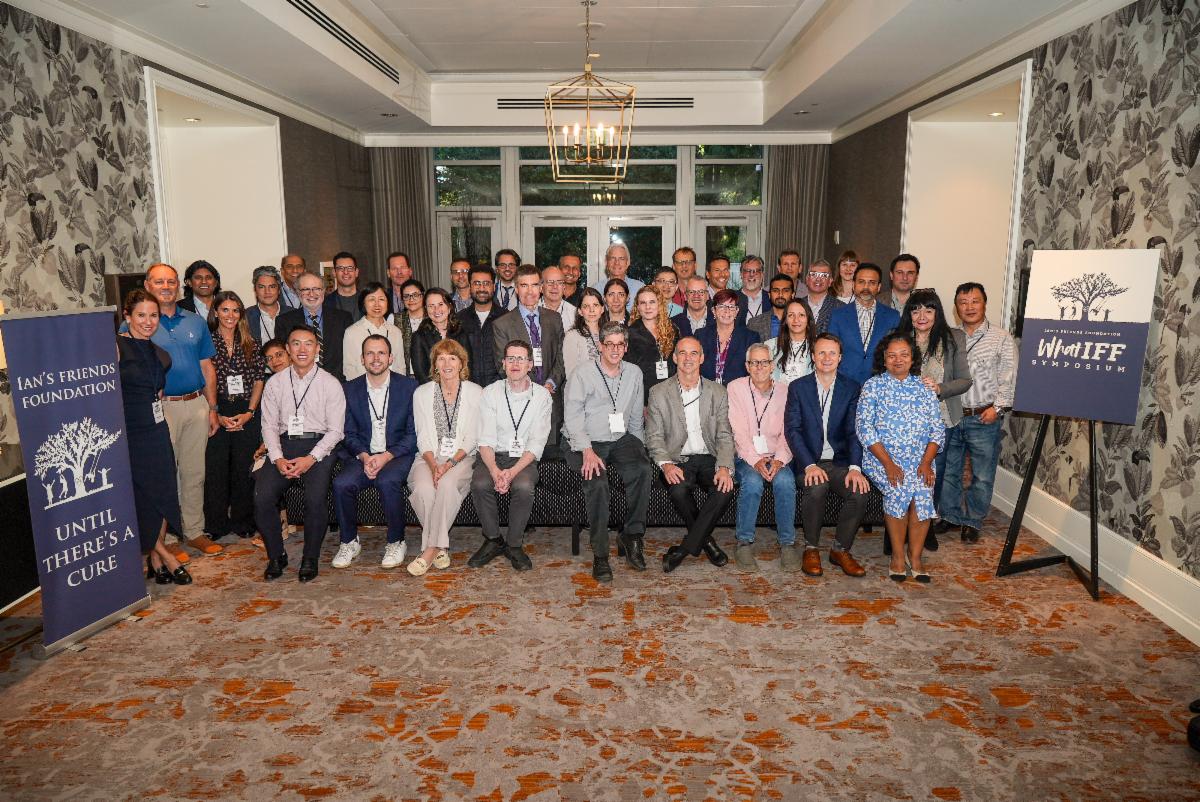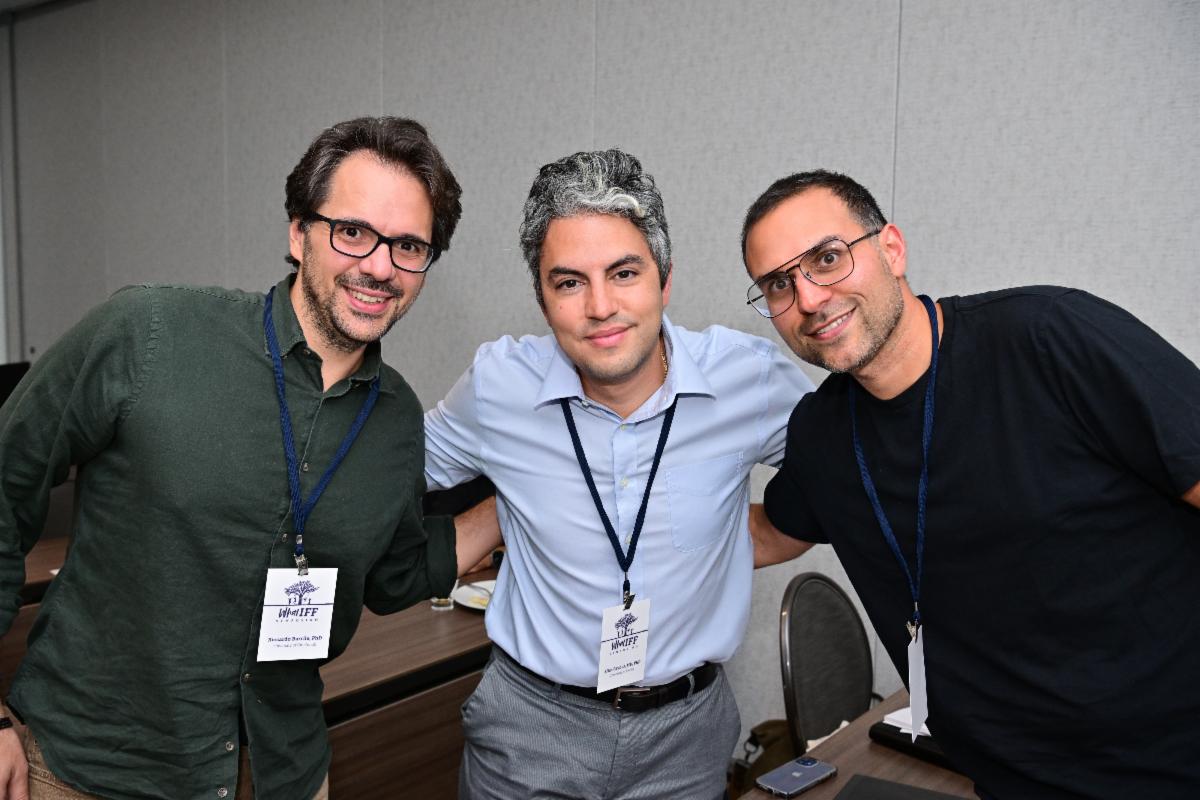
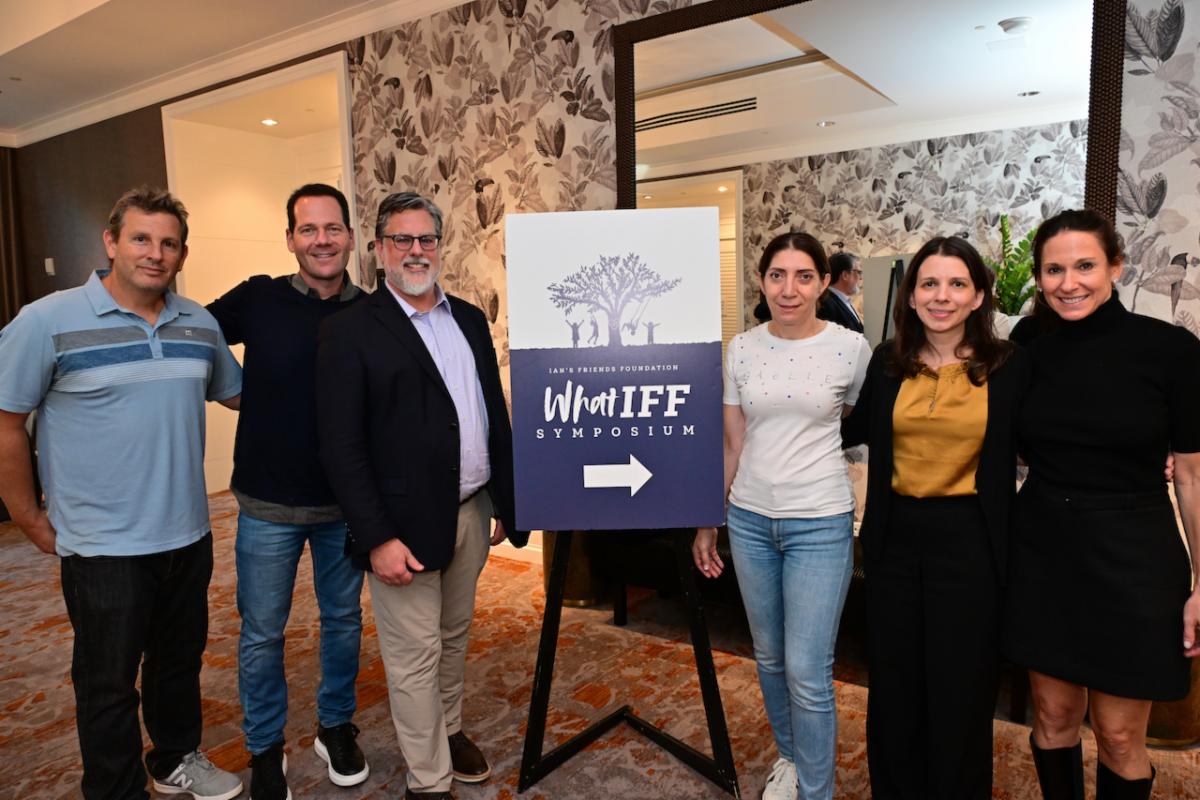
This years WhatIFF symposium was spectacular. The projects and presenters from around the world were inspiring and their passion was palpable. The feeling in the room was nothing short of pure excitement that we are closer to finding a cure. The three wining projects for 2024 were out of Duke University, Mt. Sinai’s Icahn School of Medicine and the University of Massachusetts.
- Dr. Scott Floyd from Duke University’s presentation yielded great promise with Flash Radiation and its capacity to deliver high doses of radiation while sparing healthy tissue thereby increasing the potential for enhanced therapy thereby and laying the groundwork for the delivery of combinational therapies as well.
- Dr. Dolores Hambardzumyan of Mt. Sinai presentation on mechanism response was met with great enthusiasm. Although immune checkpoint inhibitors have resulted in unprecedented response rates in many cancer types, they haven’t in pediatric high grade gliomas. To try and combat this, Dolores will examine the mechanism that drives the response to the immune checkpoint inhibitors especially in constitutional mismatch repair deficiency syndrome (present in over 25% of all pediatric high grade gliomas) to help understand the mechanisms of therapeutic resistance in pediatric high grade gliomas and subsequently how to target such mechanisms.
- Rachel Sirianni from the University of Massachusetts will be exploring the creation and engineering of CSF hydrodynamics for better treatment of pediatric brain tumors. Rachel has designed a carefully optimized infusion medium containing well-tolerated substances that provoke a rapid flush of fluid from the cerebral ventricles into the subarachnoid space. Using a new nanoparticle platform, Rachel will build “Tumor Torpedoes” which if successful will yield new therapeutics capable of both spacial and molecular targeting.